Wizard — Definition, examples, FAQs, and more

Written by Andruid

Published Mar 10, 2024

Updated Jan 8, 2026

TL;DR

wizard

—noun

A player with elevated privileges in a multi-user dungeon (MUD) or similar text-based game.

What is a wizard in MUDs?
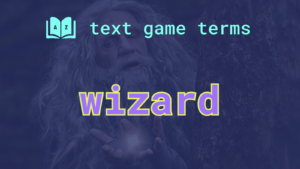
A wizard in the context of a multi-user dungeon (MUD) is a player who has been granted elevated privileges and responsibilities, similar to an administrator or staff member in other types of online communities.

Wizards have the ability to modify the game’s environment, create new content, enforce rules, and assist other players. This role is typically reserved for experienced and trusted members of the MUD community. As such, wizards are essential for the maintenance and development of the game world.
Jump to section

Wizard: a brief history

The concept of the wizard comes from early text-based online roleplaying games where players could ascend to a god-like status within the game, earning the title of “Wizard.” This progression usually required significant contributions to the game or community, as well as a deep understanding of the game mechanics and culture.

Over time, the title of “Wizard” evolved to designate users who had administrative powers within the game. These individuals could create content, manage server operations, and enforce rules. Essentially, they had the “magical” ability to alter the game world and influence the player experience, much like a wizard altering reality through spells.

NOTE: This use of “Wizard” as an authority figure is not to be confused with the choosable player class of “Wizard” found in many fantasy RPGs.

How it's used today

People use the term “wizard” today when talking about roles in online text-based games that need staff or moderators. It is most often found in communities where players help shape and manage the game environment.

Types of games where the term is commonly used include:

MUD, MUSH, RPMUD, Chat RPG, Social media RPG, RPI, RPE.


Wizard examples

  • In many MUDs, a wizard might create a new quest line, incorporating puzzles, monsters, and rewards for players to discover and complete.
  • Wizards might also organize and run special events or competitions, providing unique experiences outside the standard game environment.
  • If a player encounters a bug or issue, a wizard might step in to resolve the problem, ensuring that the player’s gaming experience is not negatively impacted.

Myths and misconceptions

  1. Wizards have unlimited power and can do whatever they want in a MUD. In reality, their powers are usually clearly defined and limited to what is necessary for their role. They are also typically held to a higher standard of behavior and are accountable for their actions.
  2. Becoming a wizard is solely based on game skill or time played. While experience is important, trustworthiness, contribution to the community, and a deep understanding of the game’s mechanics and culture are usually more important factors.
  3. All wizards are responsible for every aspect of the game, from coding to player moderation. In most MUDs, wizard roles are specialized, and individual wizards may focus on areas like building, coding, or assisting players rather than managing all tasks.
  4. Becoming a wizard means you stop participating in regular gameplay or roleplaying activities. Many wizards continue to take part in the game as players, though they must balance this with their administrative responsibilities.
  5. Wizards are always visible or easily identified by other players. However, wizards often have the option to operate discreetly or behind the scenes, contributing to the game experience without openly displaying their status.


Wizard FAQs

How does one become a wizard in a MUD?

Typically, a player becomes a wizard by being promoted from the regular player base due to their contributions, understanding of the game, and trustworthiness. This process varies from one MUD to another but often involves an application or nomination process followed by a review by existing wizards or the game’s administration.

What are the main responsibilities of a wizard?

Wizards are responsible for creating and editing game content, helping to enforce the game’s rules, assisting players with problems, and generally maintaining the game environment. They act as mentors, creators, and moderators within the MUD community.

Because of their elevated privileges and greater responsibility, wizards have access to special tools and commands, some of which may be preceded by “wiz.” For example, “wizinfo” (a channel that displays OOC information for all wizards), or the command “wiz” to say things on a wizards-only chat channel.

Can a wizard play the game like a regular player?

While wizards can engage with the game much like regular players, they often have different priorities and may spend more time developing the game and assisting other players than engaging in typical gameplay. Additionally, they must adhere to a higher standard of conduct given their role and influence.

Is the title of Wizard the same in all MUDs?

No, the title and role can vary between different MUDs. Some games might use different terms like “Immortal,” “Admin,” or “Staff.” However, the core concept of a player with elevated privileges for the purpose of game development and community management remains consistent.


Leave a Comment

This site uses Akismet to reduce spam. Learn how your comment data is processed.

Related terms

Related content

LociTerm MUD client and the legacy of The Last Outpost

LociTerm MUD client and the legacy of The Last Outpost

Updated Jan 10, 2026

4 Types of multiplayer writing games you can play online for free

4 Types of multiplayer writing games you can play online for free

Updated Jan 10, 2026

MU* help systems: 15+ ideas for improvement

MU* help systems: 15+ ideas for improvement

Updated Jan 10, 2026

25 essential multi-user (MU*) game terms and what they mean

25 essential multi-user (MU*) game terms and what they mean

Updated Jan 10, 2026

3 Accessibility features in Alter Epoch MU*

3 Accessibility features in Alter Epoch MU*

Updated Jan 10, 2026

Back to terms list
Support this project