What is CYOA in interactive fiction?

CYOA stands for “choose your own adventure.” It is a form of game where players assume the role of the protagonist in a narrative, making decisions at various points that affect the outcome of the story.
Unlike traditional roleplaying games, CYOAs are typically designed for single-player experiences. The paths and endings of the story can vary greatly based on the choices made, providing a unique and personalized story experience each time.
CYOA: a brief history
The concept of CYOA emerged from interactive books where readers would make choices that lead them to different pages, thus altering the story’s course and outcome. This idea was adapted into digital formats, leading to the creation of text-based games that follow a similar structure.
CYOA games are known for their branching narratives and multiple endings, providing players with a wide range of scenarios and outcomes based on their decisions.
How it's used today
Players use CYOA in many interactive fiction communities today, especially when discussing games that offer branching storylines and meaningful choices. The term comes up when people talk about story structure, decision-making, or creating new adventures for others to explore.
Types of games where the term is commonly used include:
Choose your own adventure games, interactive fiction, visual novels, chat RPG, solo play-by-post (PbP), browser-based text games, hypertext fiction, and mobile story apps.
CYOA examples
- Twine games: Interactive stories created using Twine, a graphical tool for telling interactive, nonlinear stories. Twine is free and open-source, making it a popular choice for those who want to try building their own Choose Your Own Adventure games.
- Choice Of games: Multiple choice games and interactive fiction created using ChoiceScript.
- Visual novels: A genre that combines narrative text with static or animated graphics, often featuring dialogue choices that influence the story’s direction.
- Interactive fiction: Text-based games where players make choices or input text commands to navigate through the story.
Myths and misconceptions
- CYOA games are only for children. This misconception stems from their origins in children’s literature. However, the genre has evolved significantly, and many CYOA games are designed with complex stories and themes that appeal to adults.
- CYOA games offer limited replay value. In reality, the vast array of storylines and endings in these games encourages multiple playthroughs to explore different paths and outcomes.
- All CYOA games have simple stories. While some CYOA titles feature straightforward narratives, many include rich, branching storylines with deep character development and intricate plots.
- You need to be a programmer to make a CYOA game. Many CYOA creation tools are designed for beginners and writers, not just programmers, making it accessible for people with little or no coding experience.
- CYOA is the same as traditional roleplaying games. Although they both involve story and choice, CYOA games are typically single-player and structured around predetermined choices, whereas traditional RPGs often involve more open-ended play and collaboration.
CYOA FAQs
How do CYOA games differ from traditional RPGs?
CYOA games differ from traditional RPGs primarily in their focus on solo play and narrative choice rather than group dynamics and character development.
Can you play CYOA games with others?
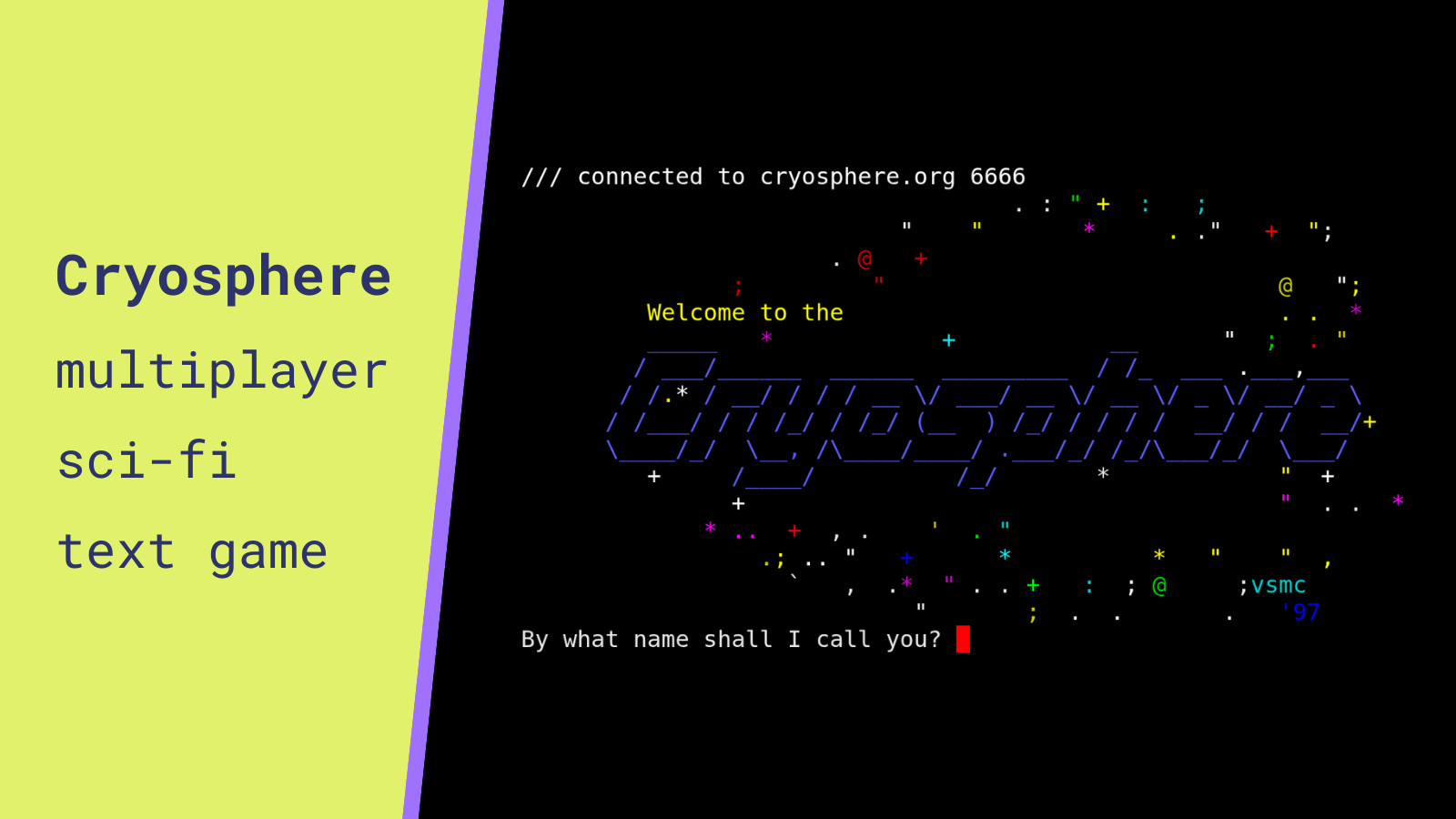
While CYOA games are generally designed for single-player experiences, there are variations and platforms that allow multiple players to vote on decisions or discuss choices in a shared story. However, these are exceptions rather than the norm and often blend elements of traditional RPGs with CYOA mechanics.
Are all CYOAs considered games?
Whether all CYOAs are games depends on your definition of a game. Some CYOAs are more gamelike than others, with stats, scoring, and “winning” and “losing” endings. Others are more similar to interactive literature, with a focus on narrative, character arcs, and storytelling.
It might be helpful to think of CYOAs and games existing on a spectrum, as there can be a great deal of variety from one CYOA to the next.
Are all CYOA games text-based?
While CYOA games are traditionally text-based, modern adaptations include visual novels and interactive movies that combine text choices with graphics and audio.
For example, Steam, the popular way to purchase video games, has tags for Choose Your Own Adventure, Visual Novel, and Text-Based.
The core mechanic of making choices that affect the story’s outcome remains central to the CYOA experience regardless.
What skills can CYOA games help develop?
Choose Your Own Adventure games can help develop reading comprehension, critical thinking, and decision-making skills. By engaging with branching storylines and considering the consequences of different choices, players can improve their ability to anticipate outcomes and understand narrative structures.



Leave a Comment