MUD (Page 2)
Glossary terms related to Multi-User Dungeons (MUDs). MUDs come in a wide variety of forms. Traditionally, they are multiplayer games played via telnet.

Latest posts
Room
What is a room? In the context of a multi-user dungeon (MUD), a room refers to any location that player characters (PCs) can occupy. While the term “room” might imply an enclosed space within a building, in MUDs, it extends to encompass a variety of environments. For example, a room could be a literal chamber,
Rent
What is rent? Rent in the context of multi-user dungeons (MUDs) refers to a game mechanic where players pay in-game currency to secure their inventory and equipment at an inn or similar safe location before logging out. By paying rent, players could ensure that their items persist in the game world between sessions. A brief
Remort
What is a remort? Remorting is a feature in some multi-user dungeons (MUDs) that allows players to restart their character after reaching the maximum available level or experience points, but with enhanced abilities or stats not available to first-time characters. This system is designed to extend gameplay and provide a sense of continued progression and
PvP
What is PvP? PvP stands for “player versus player,” a type of gameplay in roleplaying games (RPGs) where players directly engage in combat or conflict against each other rather than facing computer-controlled opponents. This interaction can occur in various forms such as duels, battles, or competitive matches, depending on the game’s structure and rules. PvP
PvE
What is PvE? PvE stands for Player versus Environment. In text-based roleplaying games, it refers to scenarios where players interact with the game’s world and its non-player characters (NPCs), rather than competing against other players. The focus is on overcoming challenges presented by the game itself, like solving puzzles, battling monsters, or completing quests. PvE
Pbase
What is a pbase? Short for “playerbase,” the term pbase refers to the collective group of players actively engaged with a particular game. This term is commonly used to describe the community aspect of games, particularly in online or multiplayer settings. A pbase can vary widely in size from just a few players to millions
Permaban
What is a permaban? A permaban is a permanent ban from a text-based roleplaying game or other online multiplayer game. This punishment is given to players who violate the rules in severe ways. Once issued, the player can no longer participate in the game. Admins or moderators enforce permabans to maintain a safe and enjoyable
P4P
What is P4P? P4P stands for “pay-for-perks” and refers to a monetization model in online games and platforms where players can purchase additional features or benefits, often cosmetic, that do not necessarily grant them a competitive advantage. These perks can range from aesthetic modifications, such as altering the appearance of a character or item, to
P2W
What is P2W? P2W, short for “pay-to-win,” refers to a monetization model used in gaming where players can play for free but have the option to purchase substantial, gameplay-affecting bonuses with real money. These bonuses often give paying players a significant advantage over non-paying players in terms of progress, abilities, or access to exclusive content.
P2P
What is P2P? P2P stands for “pay-to-play,” a model used in gaming where players must spend real money to access or continue playing the game. These games often operate on a subscription basis, where players pay regularly to maintain access. The P2P model is distinct from free-to-play games that might offer optional purchases for enhancing
OP
What is OP? OP is a term with dual meanings, contextually dependent on its usage within the gaming and online communities. In gaming, OP stands for “overpowered,” referring to a character, item, ability, or strategy that is significantly stronger than others in the game, often to the point of disrupting game balance. Such elements are
Oldbie
What is an oldbie? An oldbie is an established or experienced player in the context of roleplaying or online gaming communities. This term highlights someone who has been part of a game or community for a significant period, often possessing extensive knowledge of game mechanics, lore, and culture. Unlike newcomers or “newbies,” oldbies are familiar
Nerf
What is a nerf? A nerf is the process of making a skill, spell, or ability less powerful within a game. This term is often used by game administrators or developers when adjusting game balance to ensure that no single strategy, character, or element dominates the gameplay. It’s also used by the players themselves when
Newbie
What is a newbie? A newbie is a new or inexperienced player in a roleplaying or gaming context. It refers to someone who is just beginning to explore the game or genre and is still learning the basic rules, strategies, and etiquette. Newbies might lack familiarity with common terminology, game mechanics, or story elements, but
Min-maxing
What is min-maxing? Min-maxing is a strategy used in roleplaying games (RPGs) where a player minimizes certain traits or skills that are deemed less important and maximizes others that are more beneficial to their game objectives. This is usually done to create a character that is exceptionally powerful in one or more specific areas, thereby
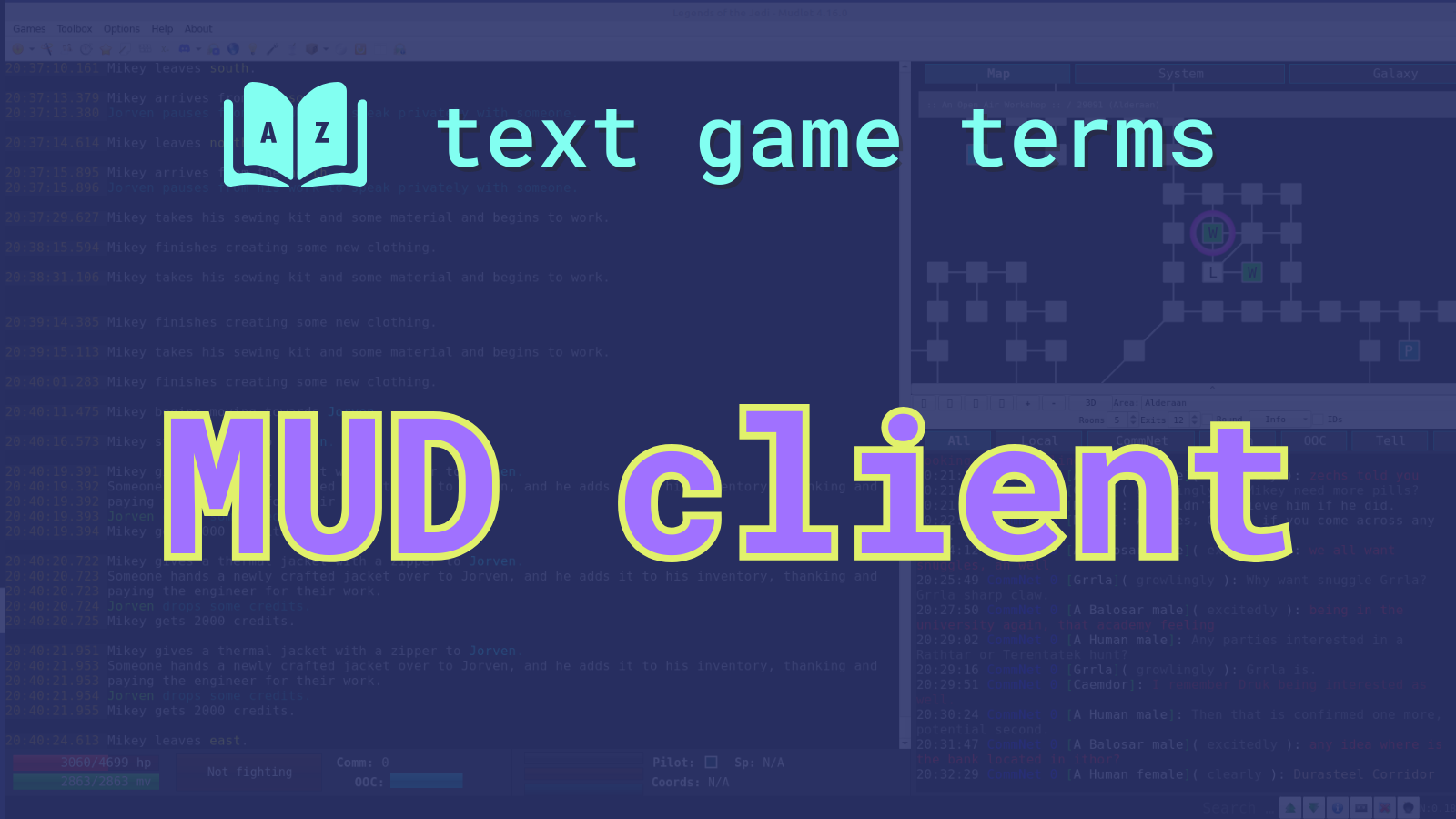
MUD client
What is a MUD client? A MUD client is a software program specifically designed to connect players to multi-user dungeons (MUDs), which are text-based online roleplaying games (RPGs). MUD clients offer a range of features such as the ability to change the way text appears on screen, macros and triggers, and enhanced logging. In technical
Multiplaying
What is multiplaying? Multiplaying (not to be confused with multiplying!) is the practice of playing multiple characters at the same time. This means having more than one character logged into the game simultaneously. Multiplaying allows a player to explore different facets of the game’s world, engage in more complex storytelling, and interact with the community