
In the early days of online gaming, data privacy just wasn’t on most people’s minds.
In fact, the first online multiplayer games came out years before internet security protocols like SSL, TLS, and HTTPS.
Early trailblazers like Empire (1973) and Island of Kesmai (1985) were still exploring the possibilities in the digital Wild West.
When online games shifted from being adventuresome experiments to successful commercial ventures, however, the stakes changed.
In honor of Data Privacy Week, today’s post is a primer on how, why, and what it means for you today – in 2026.
I’ll also list out some practical things you can do to help protect yourself, your games, and your communities.
Data privacy in online games
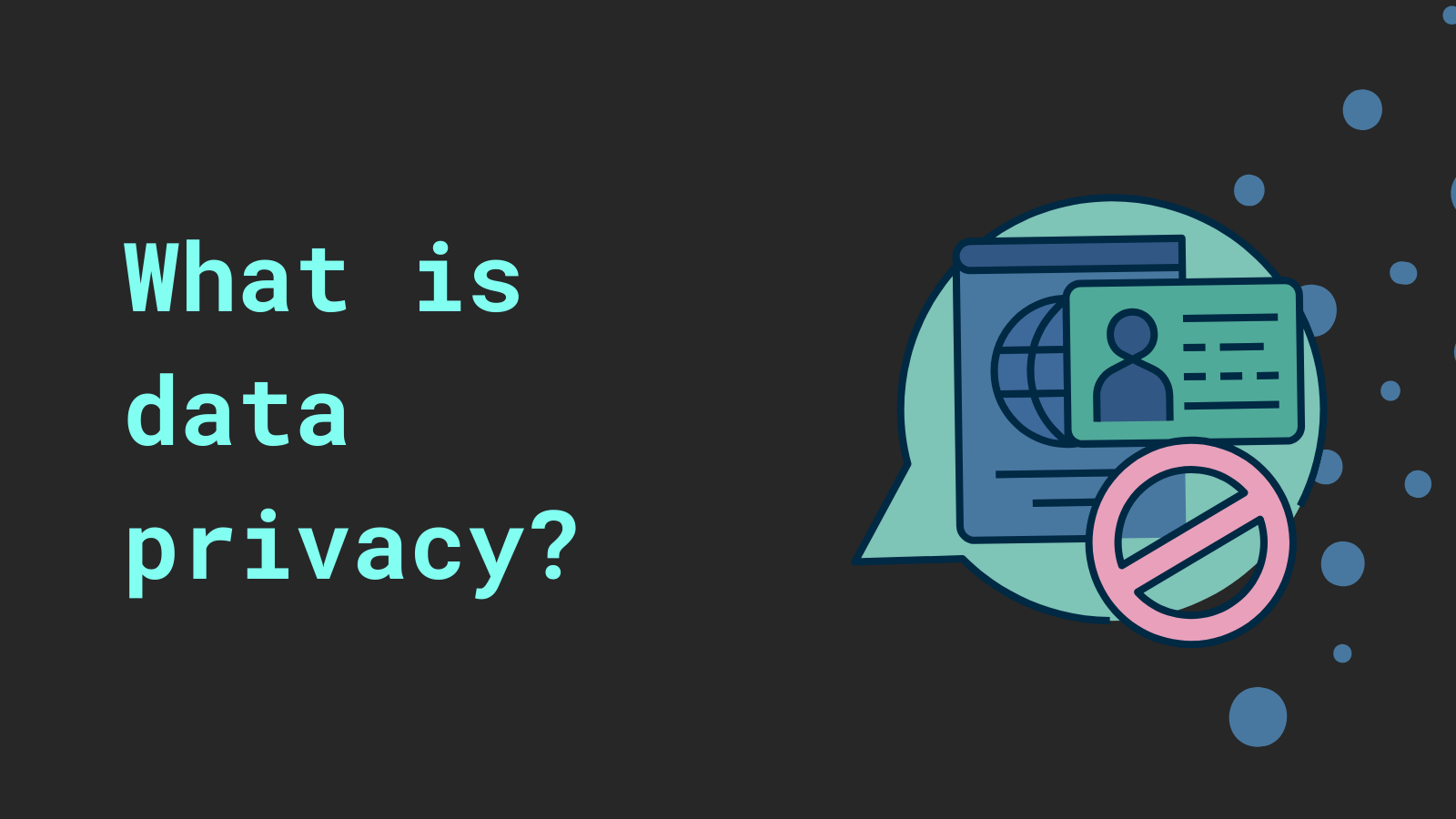
So, data privacy. What’s it all about?
Often referred to as information privacy, data privacy is about the proper handling, processing, storage, and usage of personal information.
Personal information includes things like your name, email address, physical or billing address, IP address, age, birthday, personal likes and dislikes, connections, online activities, and even your in-app behaviors.
Anything that can be reasonably used to identify you can be considered personal information.
Aspects of information privacy
So when we talk about information privacy in the context of online games, we mean:
- Handling and processing: Every aspect of what a game does with the information it collects about you, from the time it’s collected to the moment it’s deleted. This includes things like accepting your address through a registration form, linking your game account to your social media account, or how the game processes your data for third parties.
- Data storage: How and where personal information about you is kept. For example, large commercial MMORPGs have extensive databases for storing player profiles, game state data, and transaction histories. In the case of a multi-user dungeon (MUD), data might be stored in a database, as flat files, or as text logs on a remote server.
- Usage: All the different ways your personal information can be used, both within and outside of the game. Stored data is often used for things like enhancing the game or personalizing your gaming experience. It might also be used to market other games, downloadable content, or products to you. Game companies will also analyze and monitor data to prevent fraud, cheating, and unauthorized account access.
To sum things up:
Data privacy is about respecting individual rights and ensuring that personal details are used transparently, securely, and in ways people can reasonably expect.
Understanding data privacy is the first step in protecting it.
What is Data Privacy Week?
Data Privacy Week is an international effort to spread awareness about online privacy, educate people about how to secure their personal information, and encourage businesses to be more transparent about how they collect and use data.
The initiative emerged as a response to the increasing number of data breaches and the widespread misuse of personal data for various purposes, from identity theft and fraud to intrusive marketing.
When is Data Privacy Week?
Data Privacy Week is held annually from mid-to-late January and is an extension of Data Protection Day in Europe, which is observed on January 28.
This year (2026), Data Privacy Week is from Monday, January 26 to Friday, January 30.
From anonymity to awareness

In the early days of online gaming, players had a much smaller digital footprint. There was no such thing as social media, linked accounts, or online payments as we know them today.
But with the rise in digital commerce, all that changed.
Not only did gaming companies collect personal details and payment information, but they began to collect, store, and analyze a lot more data about their users.
Unfortunately, the rise and popularity of online gaming also made it an attractive playground for bad actors.
The gaming industry gets a wake-up call
In 2011, Sony’s PlayStation Network got hacked. Personal information was compromised for approximately 77 million PSN users, including their names, addresses, email addresses, birthdates, usernames, passwords, logins, and security questions.
The incident took PSN offline for 23 days, and Sony ended up paying out millions of dollars in settlements in the years that followed.
This was a wake-up call for the gaming industry and its users. Data privacy can’t just be an afterthought; it has to be taken seriously.
However, not all threats come from external sources seeking financial gain.
Bad actors and toxic gaming communities
In the mid-2000s, doxxing spread to online games.
Doxxing (or doxing) can turn in-game conflicts into real-world threats.
Essentially, their personal information is weaponized against them.
The information revealed can include the person’s real name, phone number, or even their street address, which is why doxxing can be extremely scary and stressful.
But doxxed information can also include logs from sensitive or intimate conversations, too. Stuff you don’t want the rest of the world seeing.
Often, sensitive information is collected outside of the game, such as by digging around a person’s social media account, phishing their email, or tricking them through private chats.
In the old days, doxxing wasn’t as widespread of a problem because there just wasn’t that much information about people on the internet. Nowadays, everything is online.
That’s why it’s so important to apply good data privacy practices everywhere.
Data Privacy Week isn’t just a call to arms for game developers and platform creators; it’s a reminder to every player that they have a part to play in keeping themselves and their communities safer.
How to participate in Data Privacy Week
There are many ways to take part in Data Privacy Week. Below are some ideas for all game enthusiasts, as well as additional ideas specifically for game creators.
Participating as a player / gamer / user
Here are several things you can do during Data Privacy Week as a player:
- Educate: Read up on your privacy rights and how to protect your personal information. Share the lessons you learn with your friends so they can better protect themselves, too.
- Review: Go through the permissions you’ve granted to your gaming platforms and apps. Make sure you’re comfortable with what data you’re sharing.
- Reflect: Think about the confidential information you typically share with people online, especially in “private” channels. Nothing is truly private on the internet. Remember to avoid telling people sensitive information that you wouldn’t want to get out into the open.
- Advocate: Use your voice in your gaming communities to promote discussions about data privacy, and support platforms that prioritize user privacy.
- Secure: Never, ever, ever, ever, ever, ever re-use passwords, and always keep your passwords and devices secure. Invest in a tool like 1Password if you need a stronger way to generate and store complex passwords.
- Monitor: Sign up for haveibeenpwned. You can see a list of public (known) data breaches your email address and personal information have appeared in over the past several years. HIBP will email you when your personal information is found in future breaches, along with a summary of the breach and what kind of information was compromised.
And remember: if you play MUDs, most games out there do not use secure encrypted connections.
Games that do have a secure port typically list them on their websites. For example, Dune MUD, Procedural Realms, and StickMUD all provide secure ways to connect.
Participating as an indie game creator / developer
Here are some additional things you can do as a independent game maker:
- Assess: Take this week as an opportunity to review your data collection, storage, and processing practices. If you collect and store sensitive info, be transparent and communicate the high-level facts with your players.
- Update: Does your game have an up-to-date privacy policy or a terms of service? It’s a good idea to go through it once a year and make sure it’s still current. Or if you don’t have one, now’s a good time to lay it all out.
- Educate: Provide resources and information to help your players understand their privacy rights and how they can protect their data. Remind them not to reuse passwords or to give out sensitive information. If you have horror stories or cautionary tales to share, consider sharing them. These stories can be very powerful, especially if people look up to you.
- Commit: Use Data Privacy Week to communicate your commitment to data privacy and to outline the steps you’re taking to protect your users’ information. Encourage other game creators in your online communities to do the same.
Data privacy is an ongoing process. The internet is always evolving, so our data privacy practices need to keep evolving, too.
If this topic is something that interests you, I highly recommend checking out the Darknet Diaries podcast. It’s full of cautionary tales.
Listen to the first few episodes, and you will start to see the internet as many infosec specialists do: as a hostile environment.
You’ll also learn a lot about things you should and shouldn’t do on the internet, how to spot phishing and scams, and more.
Additional reading
Some related articles here on Writing games that you might find interesting or helpful:
- Toxic gaming communities – how to identify a toxic space and deal with toxic behavior
- Measuring player activity in text games – things to consider when collecting information from or about players
- ERP and consent in games – why consent is important and ways to protect players from nonconsensual situations
Stay safe out there!
I’m going to take a moment to go review my site’s Privacy Policy and make sure it’s still current. 🙂
Notes
A text-based online game world where players explore, fight, and roleplay together by typing commands. See MUD for the full definition, examples, FAQs, and more. ↩
The weaponization of personal and private information to harass or shame someone. See doxxing for the full definition, examples, FAQs, and more. ↩




Leave a Comment